
Why value-chain due diligence now sits at the centre of investment decisions
Enterprise value is increasingly shaped by conditions outside the company: in suppliers, logistics networks and climate exposure. Due diligence has to follow.
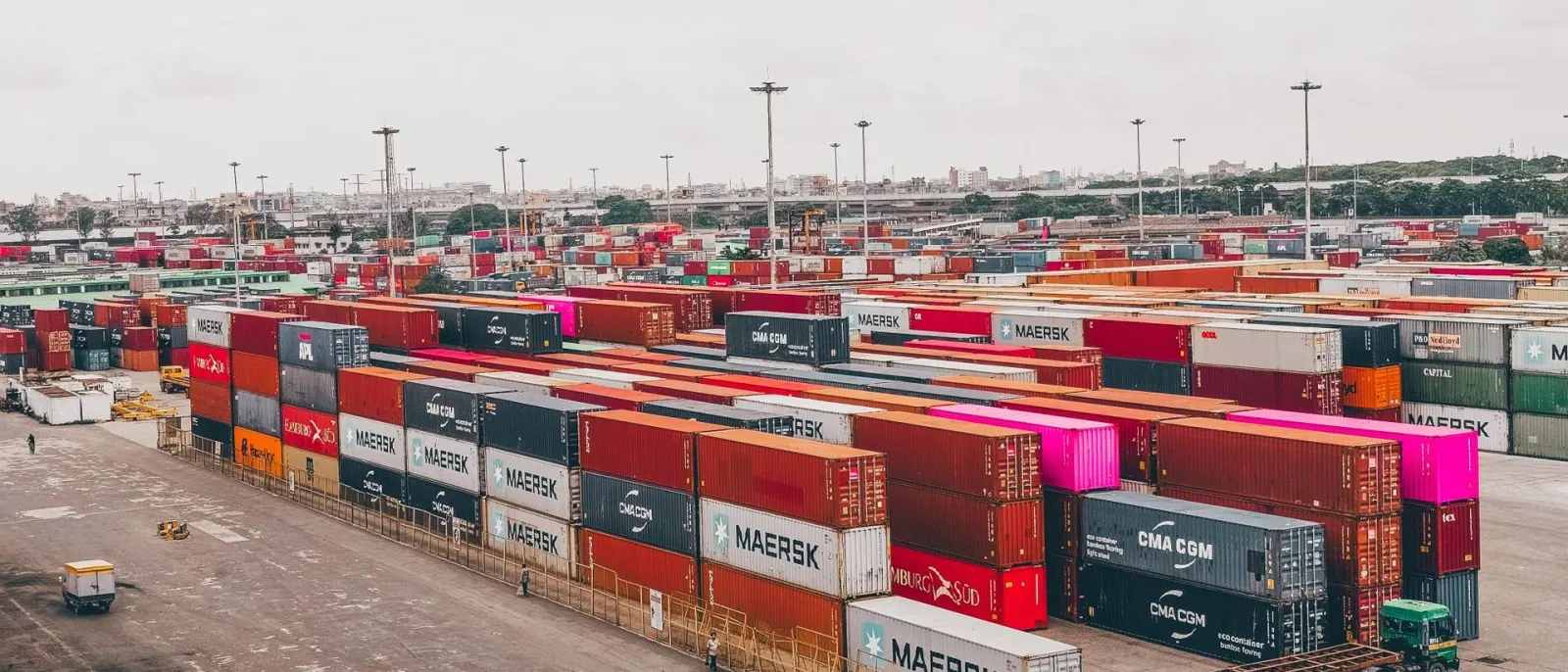
Financial performance and enterprise value are increasingly influenced by conditions beyond the legal entity itself. Critical exposure may sit within suppliers, logistics networks, infrastructure, energy systems, customers, outsourced operations and product lifecycles.
Traditional due diligence is good at the entity: its accounts, contracts, tax position and legal standing. It is less good at the value chain the entity depends on. That gap matters more every year.
Where the exposure actually sits
Consider a manufacturer whose critical input comes from two suppliers. Its financial statements may look robust, but a single disruption at one supplier can move revenue, working capital and customer commitments within weeks. The risk is real, material and largely invisible in a conventional data room.
The same is true of carbon. For many companies, a large share of emissions sits in the value chain (Scope 3) rather than in their own operations, and that exposure carries cost, regulatory and customer implications.
Translating findings into investment terms
Identifying a risk is only half of the work. An investment committee needs to know what it means: revenue at risk, cost leakage, working-capital exposure, remediation costs, and the upside from procurement, logistics and resource-efficiency improvements.
The core question: where are the material risks and value-creation opportunities across our capital, operations and value chain, and how do we convert insight into measurable resilience and long-term value?
A structured approach
Revymax’s sustainable supply-chain investment due-diligence framework assesses ten weighted dimensions, from governance and sustainable procurement to climate, resilience and financial exposure. Question-level scores are normalised to 0–100 and translated into an AAA–CCC rating, with red flags, financial exposure and a practical 100-day action plan.
The output is decision language an investment committee can use: proceed, proceed with conditions, enhanced due diligence, remediation required, or a potential red flag.
What this means for investors
- Ask for the value-chain map, not just the supplier list.
- Quantify concentration and single points of failure before signing.
- Treat Scope 3 data gaps as a diligence finding, not a footnote.
- Put the remediation and value-creation actions into the 100-day plan.
Value-chain due diligence complements legal, financial and technical advice. It does not replace it. But without it, investors are pricing a company while missing much of what drives its future value.